Two games, two philosophies
Uno was born in 1971 in Reading, Ohio, a suburb of Cincinnati. Merle Robbins, a barber, was tired of family arguments over the rules of Crazy Eights, so he wrote his own rules onto a deck of cards. The family put up its own money to print the first 5,000 copies and sold them from his barbershop. Today the game belongs to Mattel, and in 2018 it was inducted into the National Toy Hall of Fame.
Uno is a shedding game: you match the colour or number on the discard pile and try to be the first to empty your hand. The standard deck has 108 cards (112 in newer sets): four colours of numbers plus Skip, Reverse, Draw Two, Wild and Wild Draw Four. Anywhere from 2 to 10 people can play.
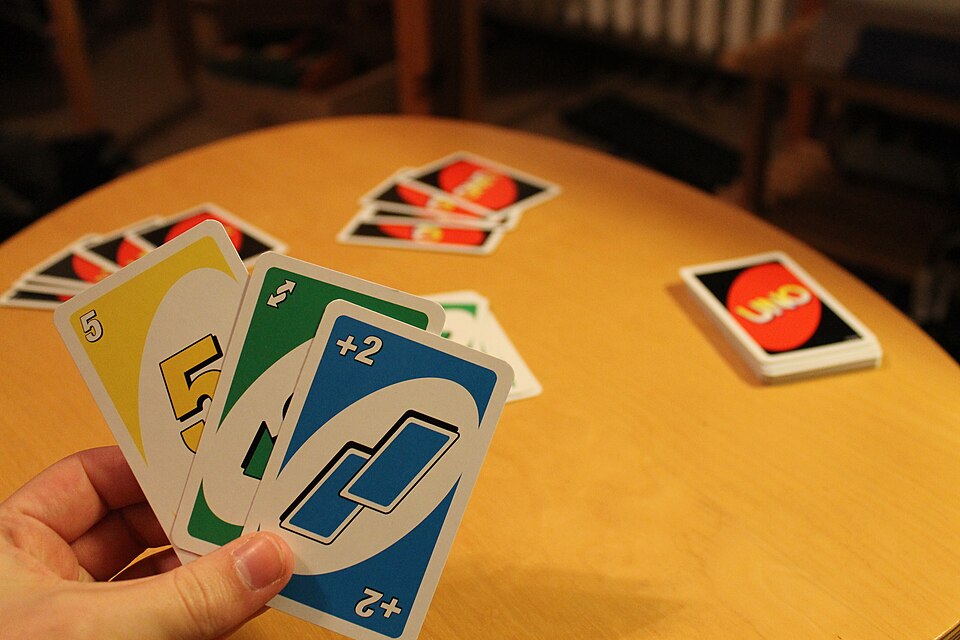
Mexico (Meksiko), also known as Gangsters, comes from a different world. It is a folk trick-taking game from Balkan taverns, a faster cousin of Preference and Skat. You don't try to get rid of your cards. You promise how many tricks you will take, and then you have to deliver.
players, always exactly three
cards, 7 through Ace
tricks in every single deal
Games magazine once summed Uno up neatly: its popularity rests on its simplicity, not on its strategy. That is not an insult. It is exactly what Uno was designed for. Mexico was designed for something else.
Mexico vs Uno at a glance
| Feature | Uno | Mexico |
|---|---|---|
| Type of game | Shedding game: get rid of your cards | Trick-taking game with bidding and trump |
| Deck | 108 special cards (112 in newer sets) | 32 cards (7–Ace) from any regular deck |
| Players | 2–10 | Exactly 3 |
| What you know at the start | Your 7 cards out of 108 | Your 10 cards out of 32, and every card except the 2-card talon is in play |
| Your big decision | Which matching card to put down | How much to bid, which trump, what to discard, how to play 10 tricks |
| Who controls the risk | The draw pile | You: bid high, bid low, or say NEXT |
| Conflict | Draw cards land on whoever sits next | 2 against 1: the Gangsters team up on the caller every deal |
| Rule arguments | Stacking, challenges, house rules | One rule set, enforced by the software at Mexico Club |
| Length of a deal | Until someone goes out | Always 10 tricks |
| Winning | Empty your hand first (classic scoring plays to 500) | First over 51 points (Mini: 10) |
Ten reasons Mexico beats Uno
1. You choose your risk. In Uno, the deck chooses for you.
Every deal of Mexico starts with an auction. The first player must open with at least 5. The others can raise to 6, 7, 8, 9 or 10, call Mexico, or simply say NEXT and let someone else carry the risk. A weak hand is not a disaster. It is information: you pass, defend, and still score the tricks you take.
Uno gives you no such choice. Your seven cards are your seven cards, and if you cannot match the pile, you draw. A bad hand simply has to be played out.
The risk in Mexico is real, too. In public games at Mexico Club a fall costs double the bid: call 7, take 6, and you write −14. That is what turns a bid into a decision instead of a formality.
2. Every card is in play, so memory pays off
A Mexico deck has 32 cards. Thirty are dealt into the three hands and two sit in the talon. Nothing hides in a huge draw pile. Keep track of what has fallen, like how many trumps are gone and who could not follow suit, and by the middle of the deal you can often work out who holds what.
In Uno, with 108 cards, a draw pile, and a discard pile that gets shuffled back in, counting cards is close to pointless. In Mexico, a good memory is a weapon.
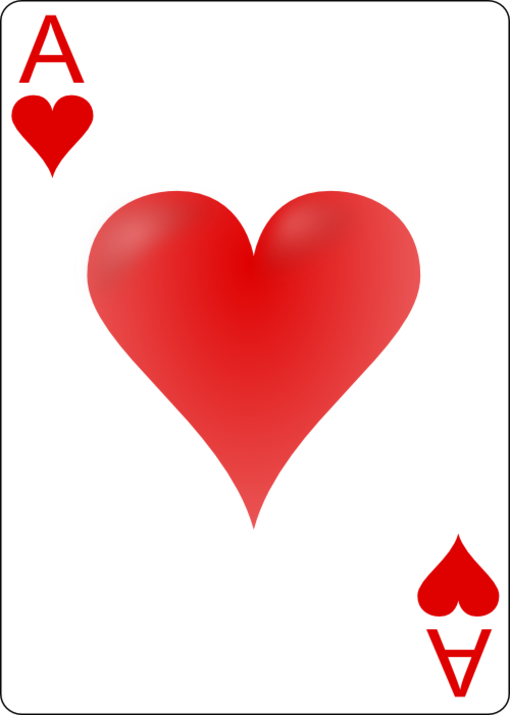
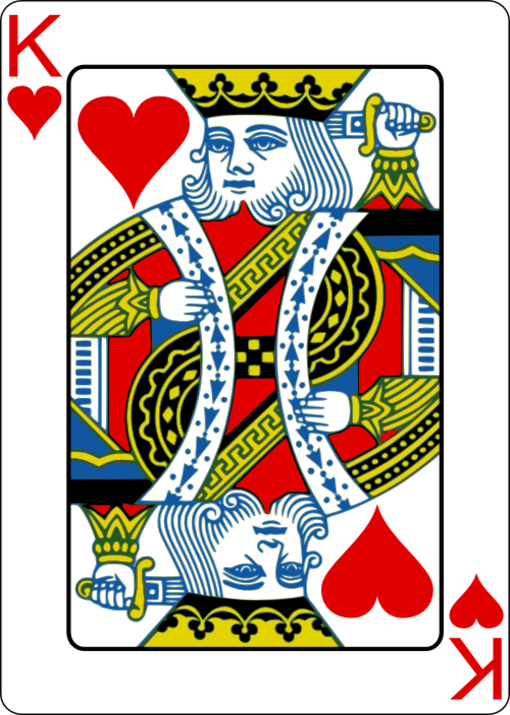
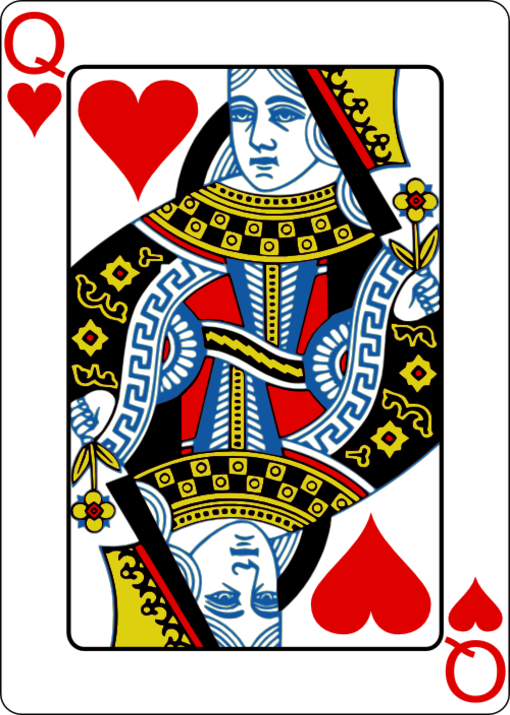
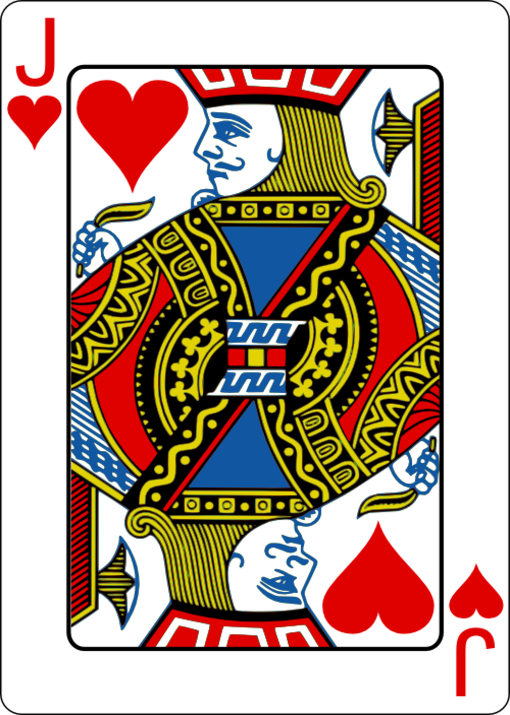
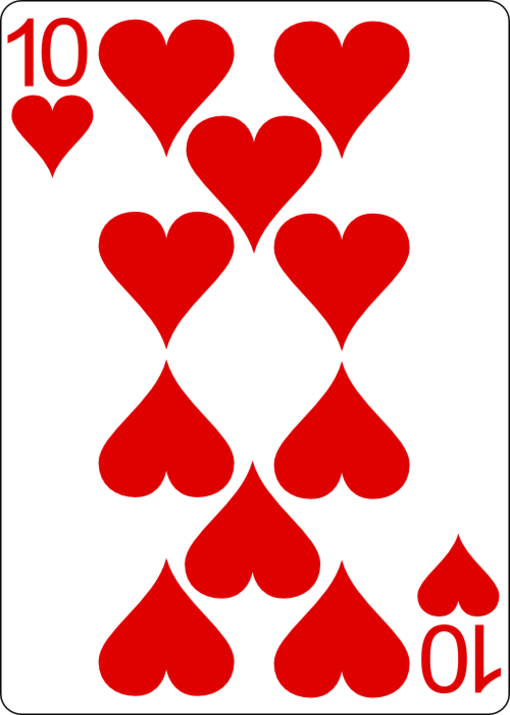
Eight cards per suit, the same order in every suit. You can learn the whole deck in one evening and then spend years learning how to read it.
3. Trump turns a hand into a plan
The auction winner picks up the talon (12 cards in hand), discards two face down and chooses trump: spades, hearts, clubs or diamonds. The same ten cards can be a winner with hearts as trump and a disaster with spades. Choosing and discarding well is where good players separate from lucky ones.
The play itself has clear rules. Follow suit if you can, cut with trump if you cannot, and throw anything if you have neither. Every trick is a small puzzle: cash your Ace now, or wait until the opponents have used up their trumps?
In Uno the colour can change with every Wild card. You don't plan. You react.
4. Gangsters: a new alliance every deal
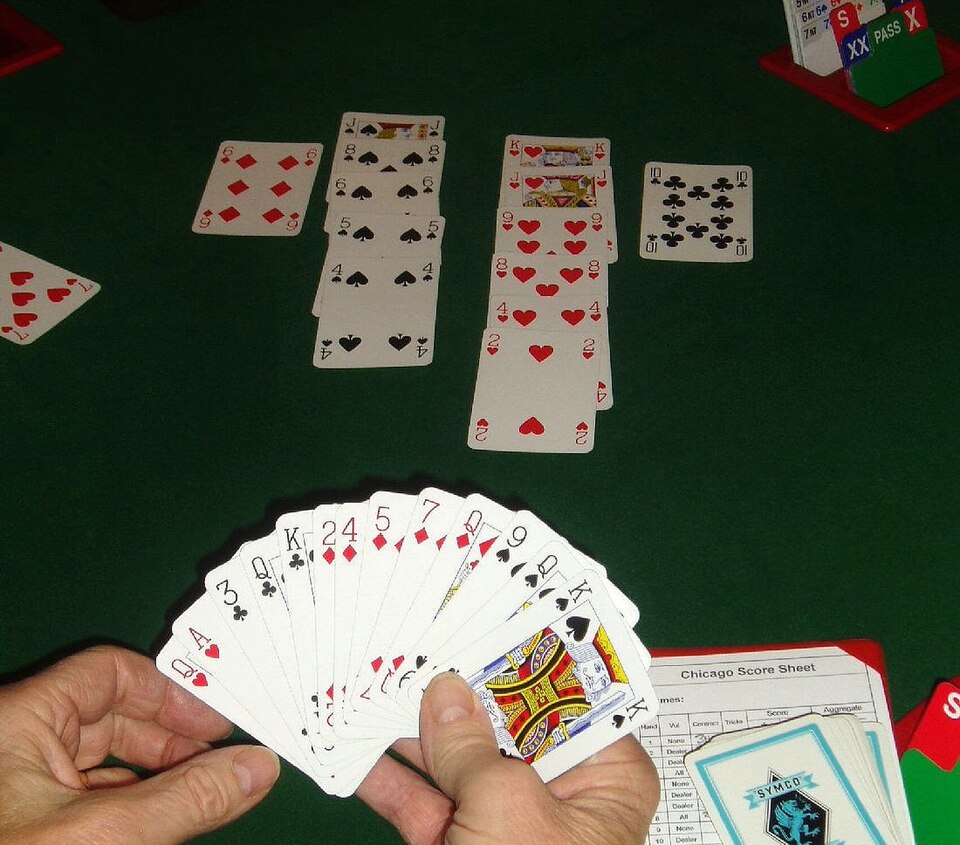
The game's other name says it all. Once a player wins the auction, the other two become the Gangsters. Without a word, they have to cooperate to bring the bid down: lead into each other's strengths, save their trumps, squeeze the caller. On the next deal, your ally might be the one you are hunting.
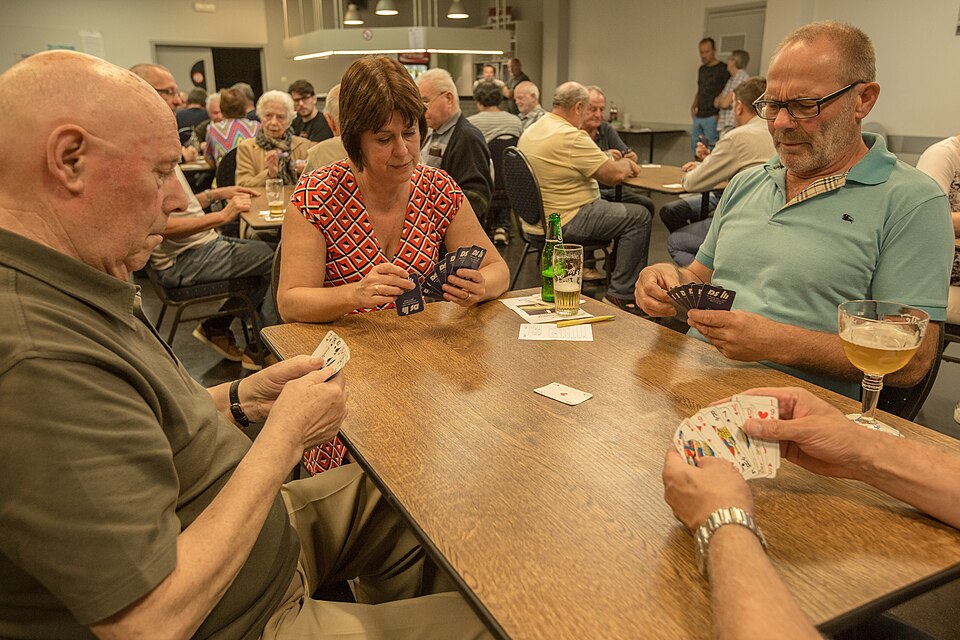
That 2-against-1 dynamic is what makes three-player trick-taking games so lively. In Uno, most of the interaction is whoever happens to sit next to you catching a Draw Two.
5. No Wild Draw Four lottery
The Wild Draw Four is Uno's most powerful card and its most controversial. Under the official rules you may play it only when you have no card of the current colour. The next player can challenge: you show them your hand, and if you broke the rule, you draw the four cards. If you didn't, the challenger draws six. A rule that depends on peeking at someone else's hand is easy to forget at a kitchen table.
Mexico has no cards that punish whoever sits next in line. Strength comes from high cards and trumps, and from how well you use them.
6. No arguments about the rules
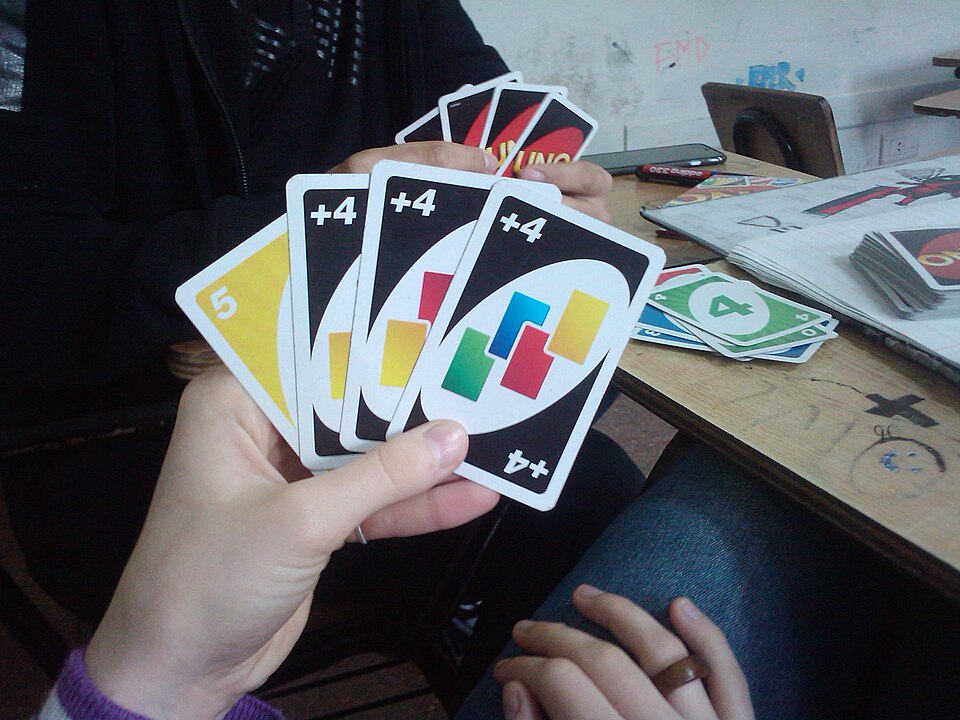
In May 2019 the official Uno account reminded players that stacking draw cards is against the rules: You can't put down a +2 to make the next person Draw 6. We know you've tried it.
The internet was not happy, because nearly every family plays with its own house rules.
Mexico has local variations too. It is a tavern game passed on by word of mouth. That is exactly why Mexico Club writes the rules into the software: you cannot play a card you are not allowed to, the score is counted for you, and nobody has to argue about what happened three tricks ago.
7. A bad hand doesn't mean a lost deal
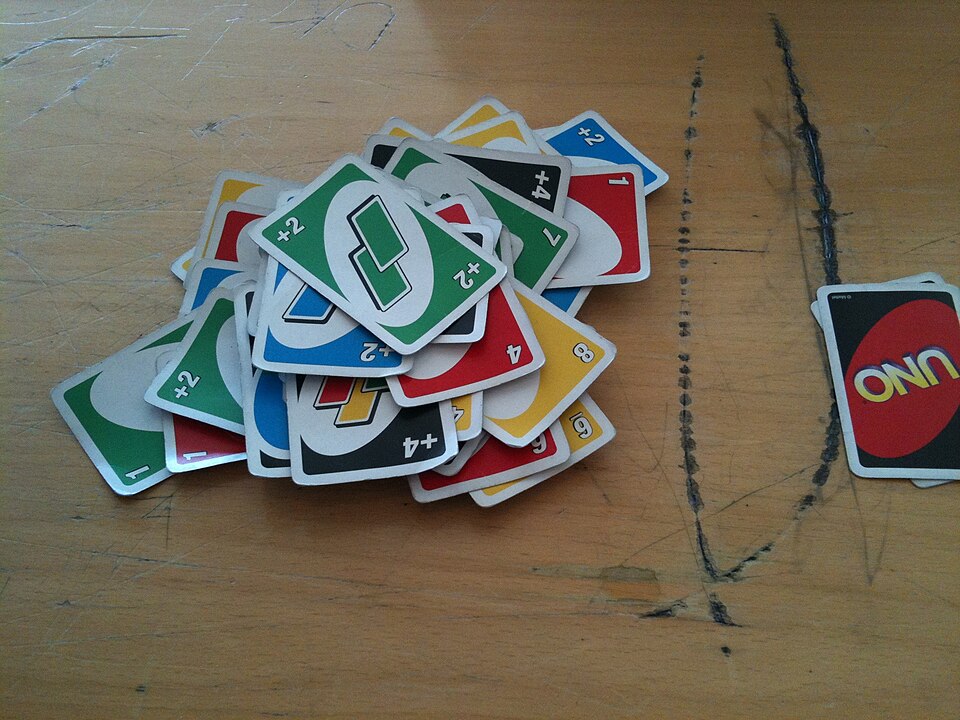
In Uno, only the player who goes out scores. Everyone else just counts the cards left in their hands. In Mexico, every player writes something after every deal. The caller scores the tricks they actually took: bid 5, take 8, write +8. The two Gangsters score exactly the tricks they took, too.
In Normal scoring a Gangster who takes no tricks at all loses the value of the bid, so even with a weak hand you fight for every trick. Careful defence is rewarded, and your total never drops below zero.
8. A steady rhythm: always 10 tricks
An Uno hand ends only when someone empties theirs. Draw cards, skips and reverses can stretch it out, and the classic rules play on to 500 points. Nobody can tell you in advance whether the next hand takes three minutes or thirty.
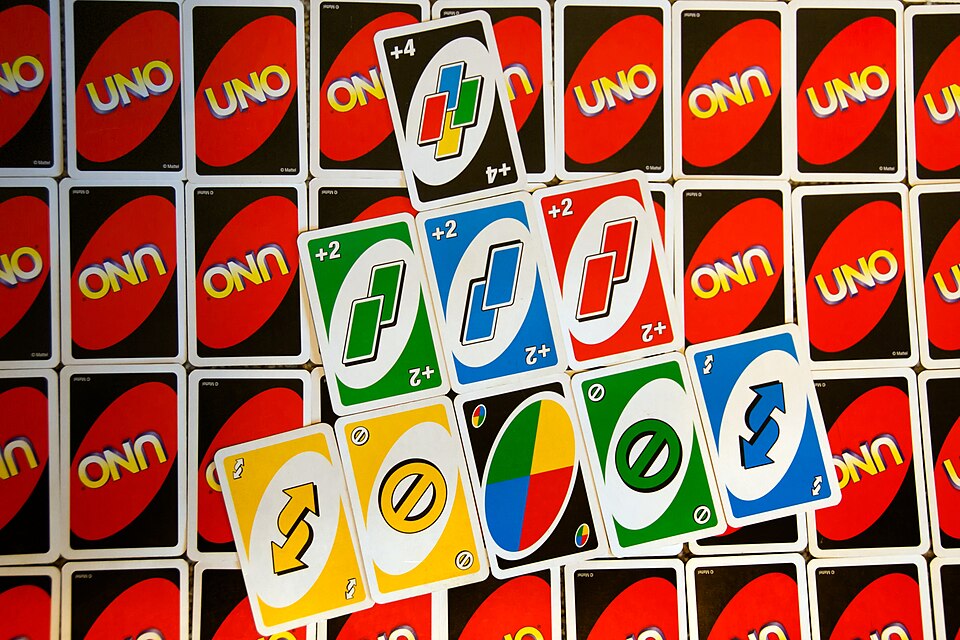
Mexico has a fixed shape. Every deal is exactly 10 tricks, then the score. A standard game is a race past 51 points, and Mini is a race to 10 for when you only have a few minutes.
9. Calling “Uno” is a reflex. Calling “Mexico” is a decision.
The big moment in Uno is shouting the name of the game when you have one card left, and getting caught if you forget. In Mexico the big moment is a choice: the Mexico bid. You skip the talon, still pick trump, and promise all 10 tricks. Make it and you score +20. Fall in a public game and it costs −40. Nobody at the table breathes during those ten tricks.
The name of the game literally comes from its boldest move. In old Balkan slang, “Mexico” meant chaos, total uncertainty, all or nothing.
10. A deck you already own, and a family of mind sports
Uno needs its own special deck. Mexico needs a regular one: take out everything below the 7 and you have the 32 cards you need. Our French deck page shows the cards.
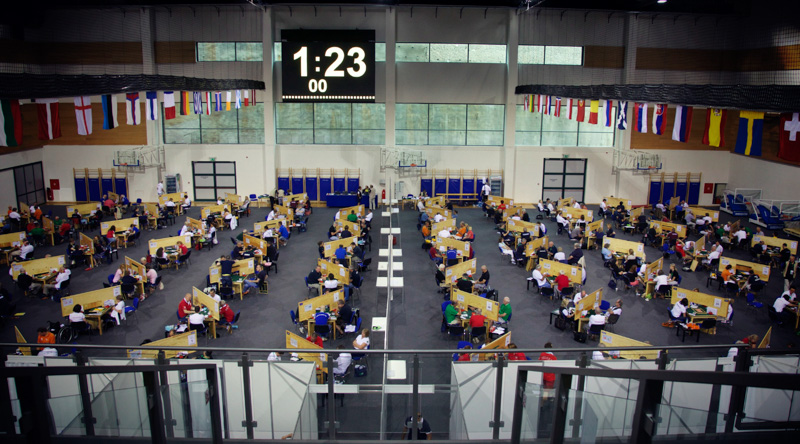
More importantly, Mexico belongs to the trick-taking family, alongside Preference, Skat, Belote and contract bridge. The International Olympic Committee has recognised bridge's world federation since the 1990s. Bridge was a medal sport at the 2018 Asian Games in Jakarta, and the 2014 European Team Championships were played in Opatija, Croatia, right on the doorstep of the region where Mexico is played.
Does that make card games good for the brain? The research is careful here, and so are we. A University of Wisconsin–Madison study of 329 cognitively healthy middle-aged adults found that people who played more games, card games included, had more grey matter in brain regions such as the hippocampus. That is an association, not proof, and the study did not compare Uno with Mexico. What we can say is that Mexico asks more of you on every deal: memory, probability, planning, and reading the other two players.
To be fair: when Uno is the better pick
We like Uno. It is simply built for a different job.
- More than three people. Mexico is a game for exactly three. Uno works for anything from 2 to 10 players.
- Small kids. Matching colours and numbers is easy. Bidding and trump take a little longer.
- No explanation at all. You can teach Uno in a minute. Mexico takes a few deals to click, and our free tutorial helps with that.
Our tip: play Uno when the whole family is at the table. When three of you are left, deal Mexico.
Try Mexico on your phone
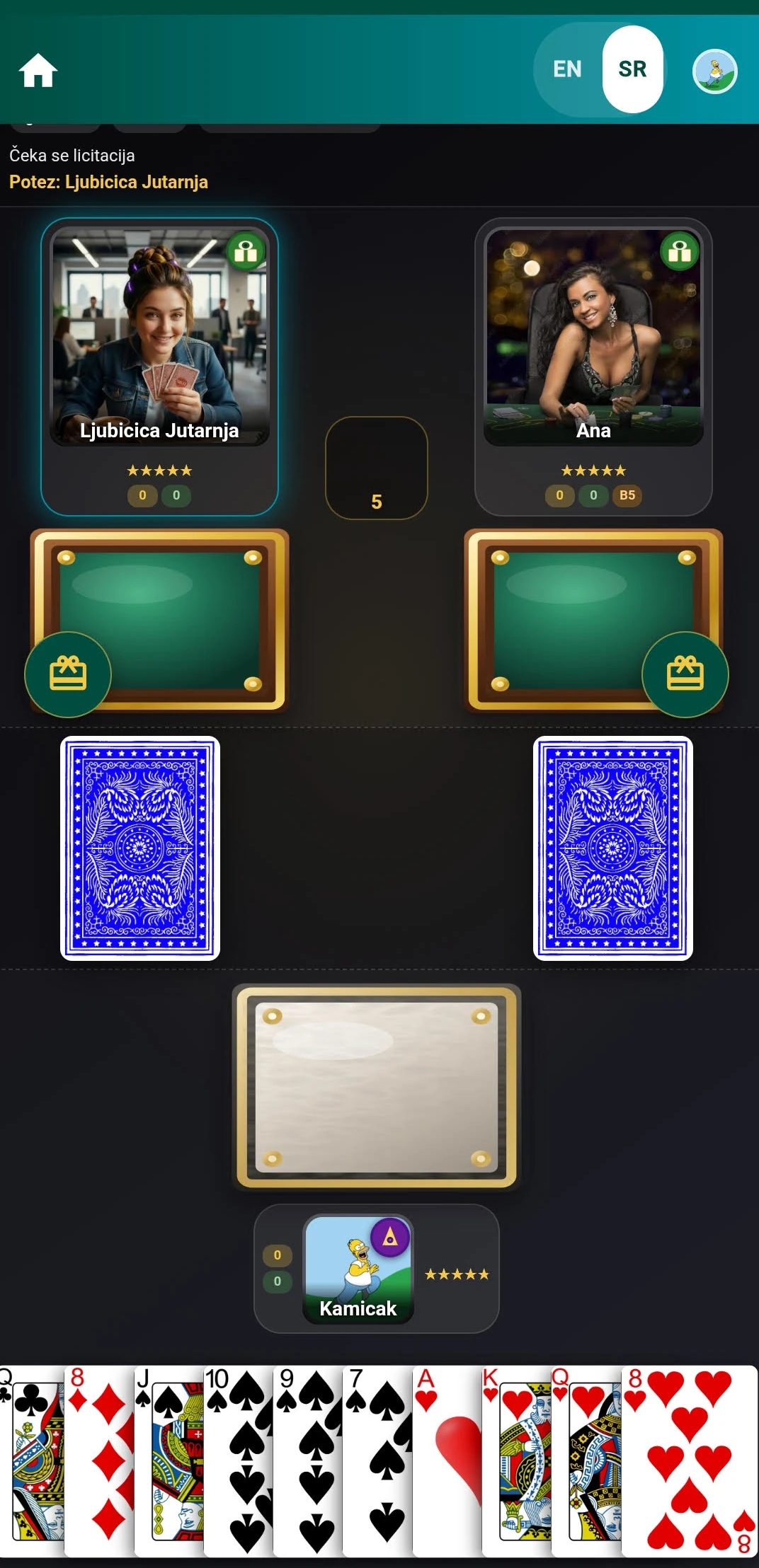
Three players, one link
Mexico Club is a browser game built for phones: no app store and no install. Learn with the tutorial without an account, join a public table, or create a private room.
Send the invite link to two friends. A guest just types a name and sits down.
Sources
- Uno (card game), Wikipedia: deck size, number of players, Wild Draw Four challenge rule, scoring, the Games magazine remark.
- Uno, The Strong National Museum of Play: Merle Robbins, the first 5,000 copies, National Toy Hall of Fame (2018).
- Uno's Twitter account says you can't stack cards, TODAY (May 2019).
- The International Olympic Committee has recognized the WBF, World Bridge Federation.
- Bridge at the 2018 Asian Games, Wikipedia.
- 2014 European Team Championships, Opatija, European Bridge League.
- Schultz et al., “Participation in cognitively-stimulating activities is associated with brain structure and cognitive function in preclinical Alzheimer's disease”, Brain Imaging and Behavior 9(4), 2015.
- Mexico Club: rules and scoring and history of Mexico.
UNO is a trademark of Mattel, Inc. Mexico Club is not affiliated with, sponsored by, or endorsed by Mattel. Photos come from Wikimedia Commons and are used under the free licences named in each caption.