Why does a standard deck of cards always have 52 cards? It's not a random number. Nah, not even close. Your deck is basically a pocket-size calendar.
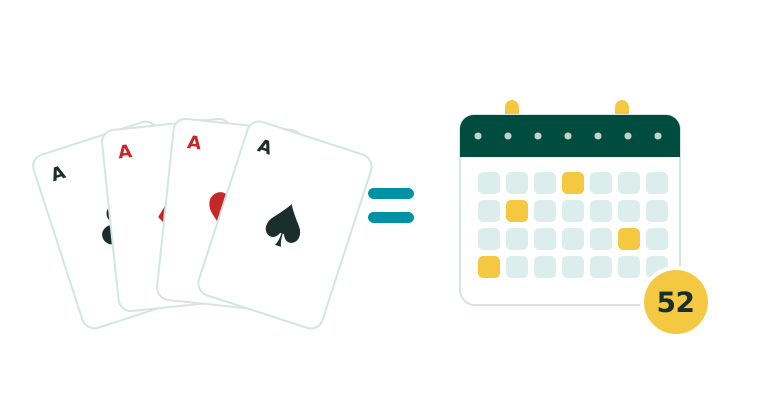
A pocket-size calendar
52 cards match the 52 weeks in a year. Four suits line up with the four seasons. 13 cards per suit, that's 13 weeks in each quarter.
cards in a deck — 52 weeks in a year
suits — 4 seasons
cards per suit — 13 weeks in each quarter
Wait till you do the math
Here's the kicker: wait till you do the math. Aces 1, Jack 11, Queen 12, King 13. Add them all up, you get 364. Toss in one joker, that's 365 days, a regular year. Two jokers, that's a leap year. Crazy, right?

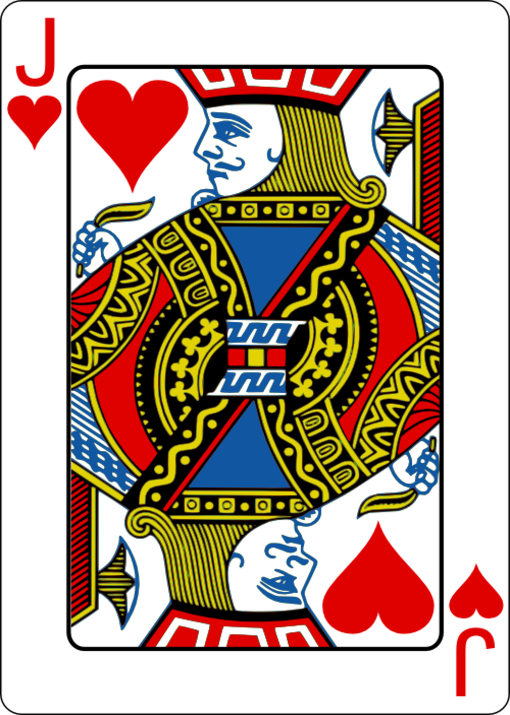
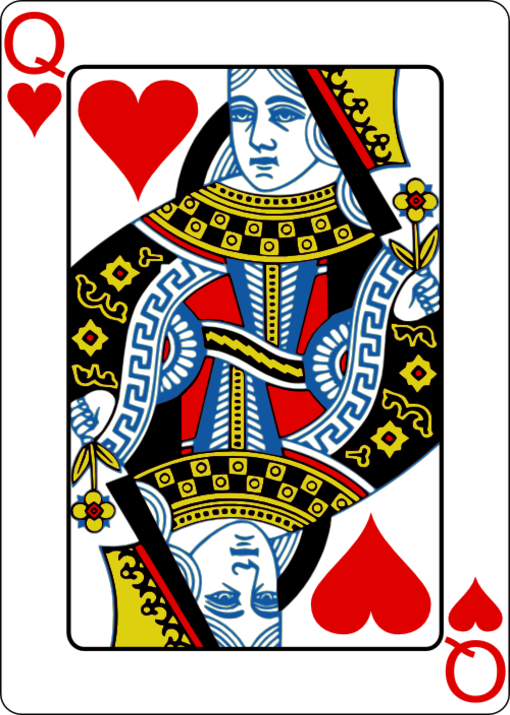
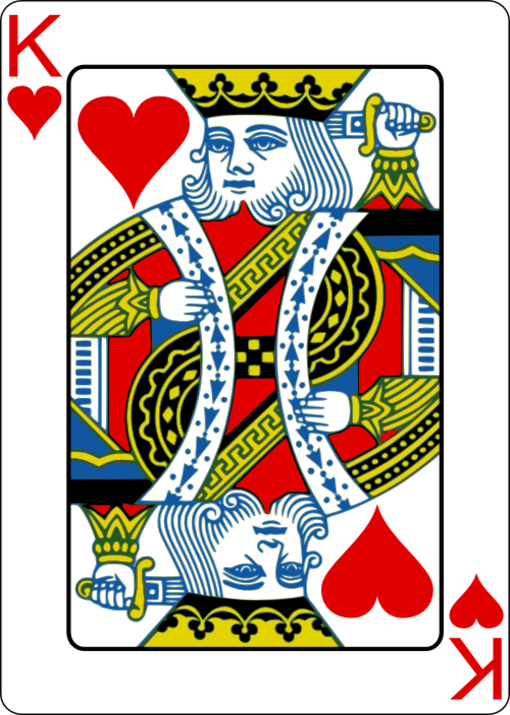
Suits mirror medieval society
But there's another layer most people never pick up on. The four suits also mirror medieval society. Spades stood for warriors and the church, diamonds for merchants, clubs for farmers.
Spades
Warriors and the church.
Diamonds
Merchants.
Clubs
Farmers.
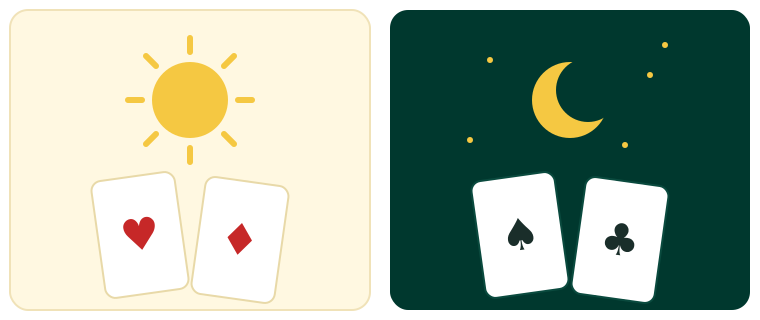
Red and black, they represent day and night.
And the deck we shuffle at Mexico Club?
Mexico (Meksiko) is played with a 32-card deck — 7 through Ace — but it is cut from the same French 52-card pack that doubles as a calendar. Next time you pick it up, remember: you are holding a whole year in your hands.